
The Impact of Seasonal Changes on IT Infrastructure in Florida


Understanding Seasonal Changes in Florida
Florida's unique climate presents a range of challenges and opportunities for IT infrastructure. With its tropical and subtropical climate, the state experiences distinct wet and dry seasons, as well as the occasional hurricane. These seasonal changes can significantly impact the performance and reliability of IT systems.

Impact of Humidity and Temperature
High humidity and temperatures during the summer months can cause overheating in data centers and server rooms. Proper ventilation and cooling systems are essential to maintain optimal performance. Without adequate cooling, hardware components may fail, leading to costly downtime and repairs.
Additionally, fluctuating temperatures can lead to condensation, which poses a risk to sensitive equipment. Ensuring a stable environment with controlled humidity levels is crucial for the longevity of IT infrastructure.
Hurricane Preparedness
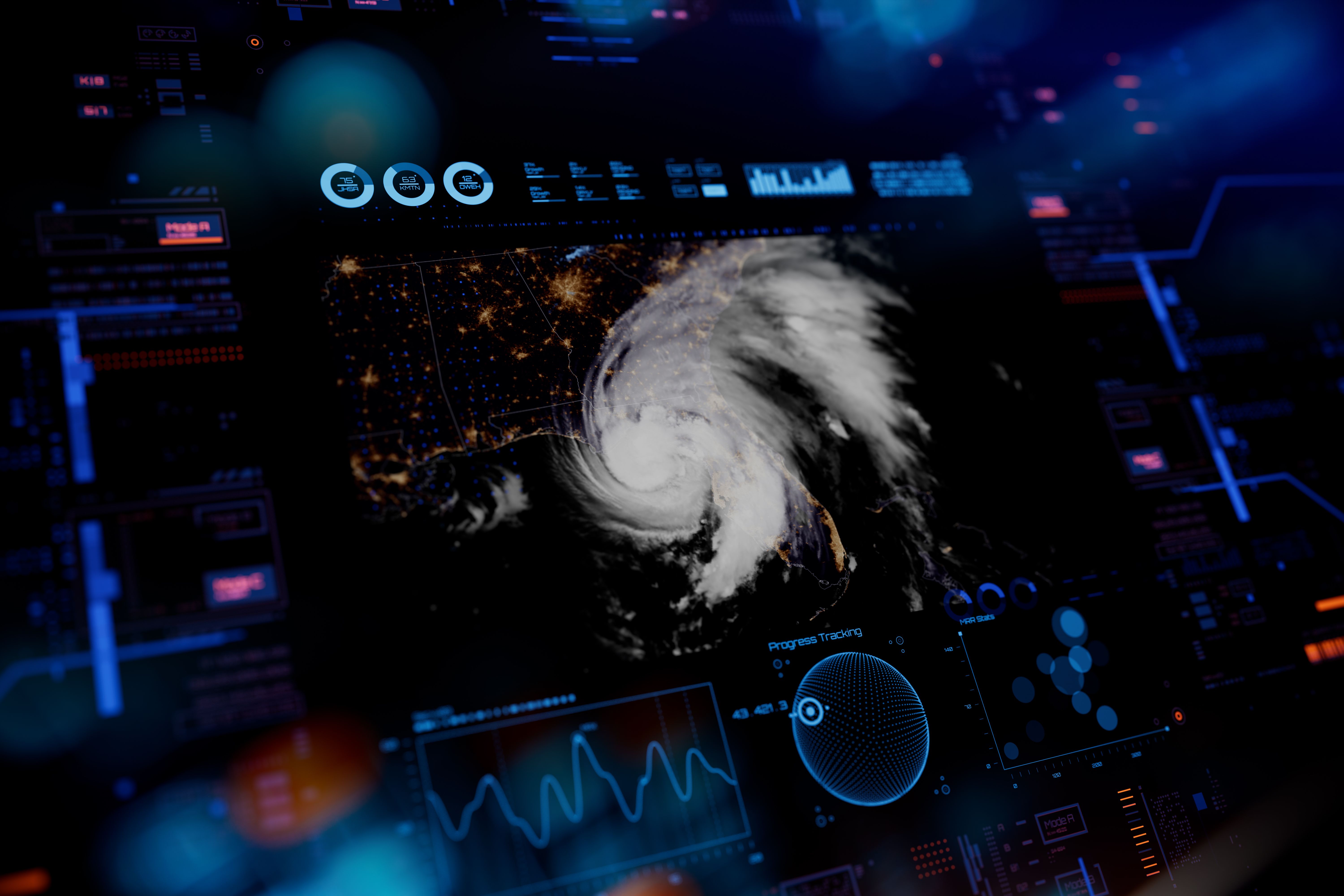
Florida is no stranger to hurricanes, which can disrupt power supplies and damage physical infrastructure. It is vital for businesses to have a robust disaster recovery plan in place. This includes data backup, uninterruptible power supplies (UPS), and failover systems to ensure business continuity.
Moreover, regular testing of these systems ensures they function correctly when needed. Companies should also consider cloud solutions to protect critical data, allowing for quick recovery even in the event of significant physical damage.
Seasonal Power Outages
The stormy season often brings power outages, which can cripple IT operations. Implementing reliable backup power solutions, such as generators and UPS, is essential. These systems provide temporary power, ensuring that critical operations continue without interruption.
Companies should also evaluate their power management strategies, ensuring that essential services have priority in the event of limited power availability.

Managing Network Connectivity
Seasonal weather patterns can affect network connectivity, particularly if infrastructure is damaged by storms. Redundant network connections and failover systems are crucial to maintaining uninterrupted service.
Investing in diverse communication paths can mitigate the impact of service disruptions. Regular maintenance and inspections of network hardware can also prevent unexpected failures during peak weather conditions.
Conclusion
The impact of seasonal changes on IT infrastructure in Florida is significant but manageable with proactive strategies. By understanding the unique challenges posed by Florida's climate, businesses can implement effective measures to protect their IT systems.
From cooling solutions to disaster recovery plans, preparedness is key. With the right approach, companies can ensure their IT infrastructure remains resilient, regardless of the season.